Clean Fuels at a Glance

  • • Higher Mixed Alcohols
  • • Methanol
  • • Grain Ethanol
  • • Cellulosic Ethanol
  • • Synthetic Ethanol
  • • Biodiesel
  • • Butanol
  • • Dimethyl Ether (DME)
Synthetic gasoline? Syndiesel from coal? Oil-based fuels from algae, grasses or waste grease? Single alcohols like ethanol? What about higher mixed alcohol fuel?

Which fuel is the best and why?

More information

Fuel For Thought

There is no energy crisis, only a crisis of ignorance."

- Buckminister Fuller

Somebody needed to do something, and it was incredibly pathetic that it had to be us.

- Jerry Garcia

We are confronted with insurmountable opportunities.

- Walt Kelly

For a successful technology, reality must take precedence over public relations, for Nature cannot be fooled.

-Richard Feynman

More Fuel For Thought

The Green Fuel Prescription

At Risk: Economy, Environment
Disease: Fossil Fuel Dependency
Symptoms: Pollution, Oil Sheiks
Cure: Higher Mixed Alcohol Fuel
Dosage: Continuous 24/7
Contraindications: None
Manufacturer: Bioroot Energy, LLC

Buyer’s Remorse: The Consumer Cluestick

There is a plan BE.

“Sorrow prepares you for joy. It violently sweeps everything out of your house, so that new joy can find space to enter. It shakes the yellow leaves from the bough of your heart, so that fresh, green leaves can grow in their place. It pulls up the rotten roots, so that new roots hidden beneath have room to grow. Whatever sorrow shakes from your heart, far better things will take their place.”

- Rumi

We the people who drive cars and throw stuff away cannot consume and dispose our way to a sustainable world that works for the long haul future. We must avoid trashing it and produce the world and energy environment we all want to see.

Who’s “we?”

It’s you of course, along with everybody else. America’s mass consumer culture has many good and bad aspects. Consumers don’t need to grow their own food. Consumers don’t need to create their own energy. Consumers barely even need to think about these things as long as they’ve got money to buy what they need or want. That’s the problem with America’s business as usual, and it’s a big one.

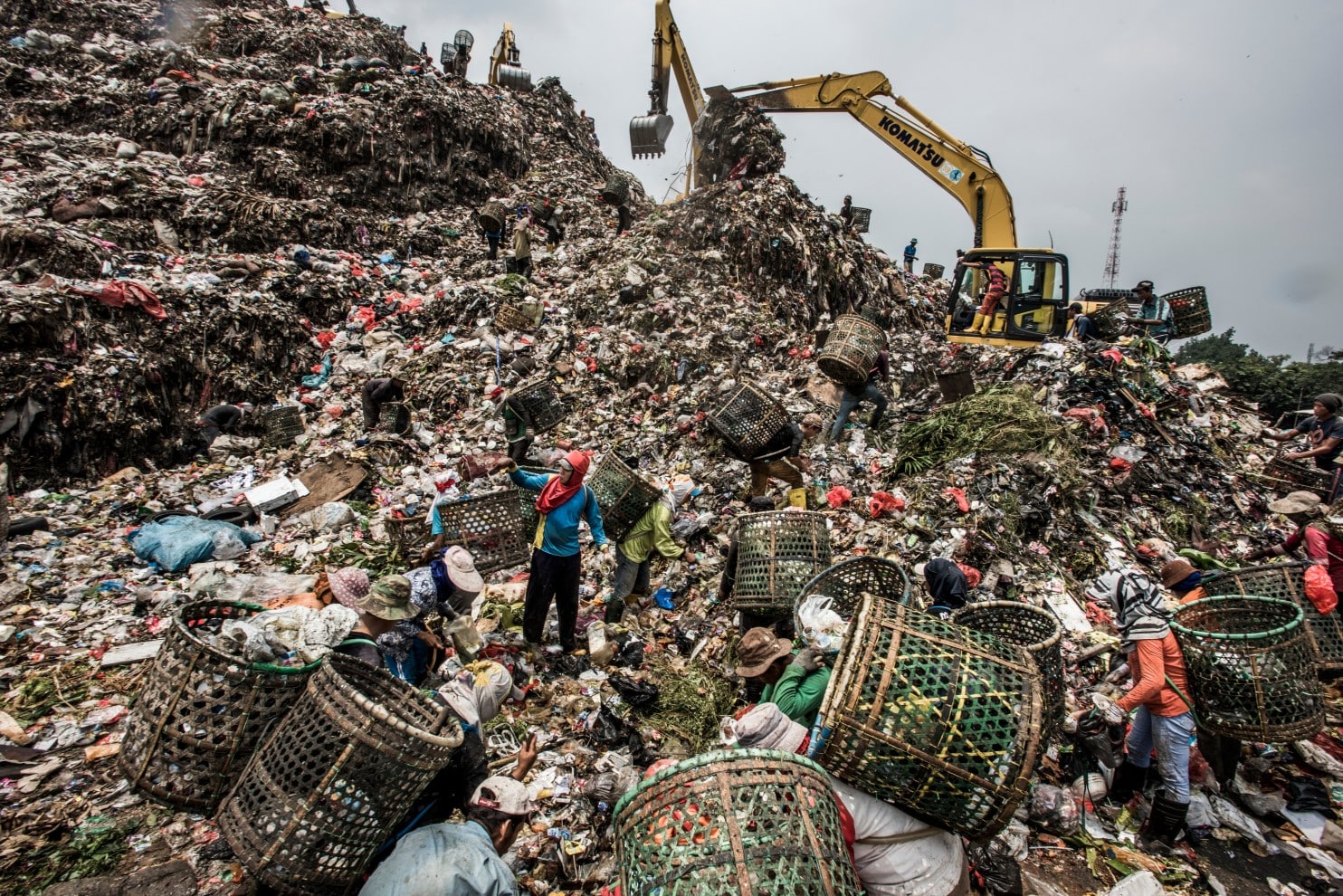
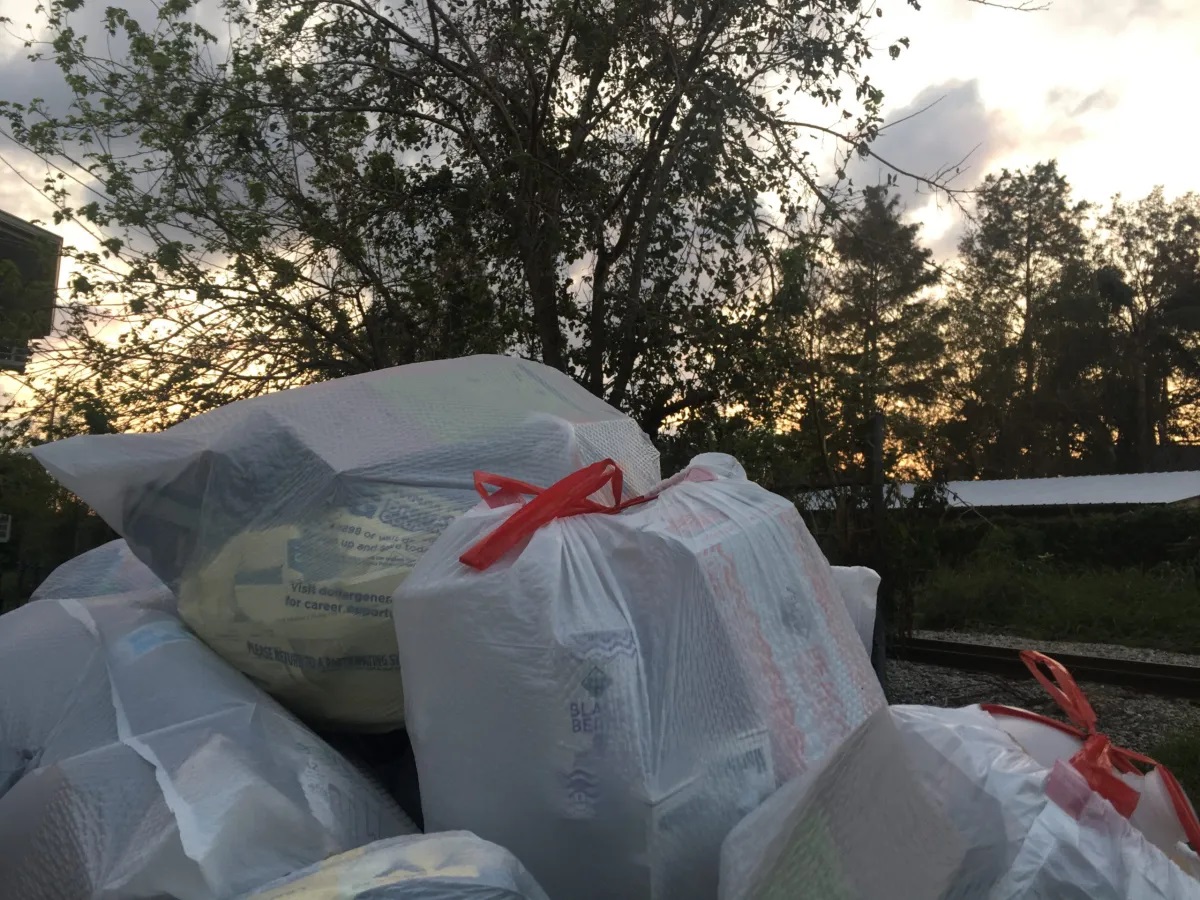
We “the people” generate huge volumes of trash, which gets conveniently hauled “away.” We all use toilets. The average American generates about 5 pounds of solid waste per day, including the carbon-based unmentionables we all flush, and the yard wastes we put into trash cans. In a single day America generates at least 1.6 billion pounds of solid waste per day. That’s over 602 billion pounds of personal wastes per year. This does not include commercial and industrial wastes. This does not include the wastes emitted by millions of vehicle tailpipes and power plant smokestacks. This does not include emissions by aviation, maritime, rail or heavy industry.

This astronomical figure is one country’s annual solid, liquid and gaseous carbon waste footprint.

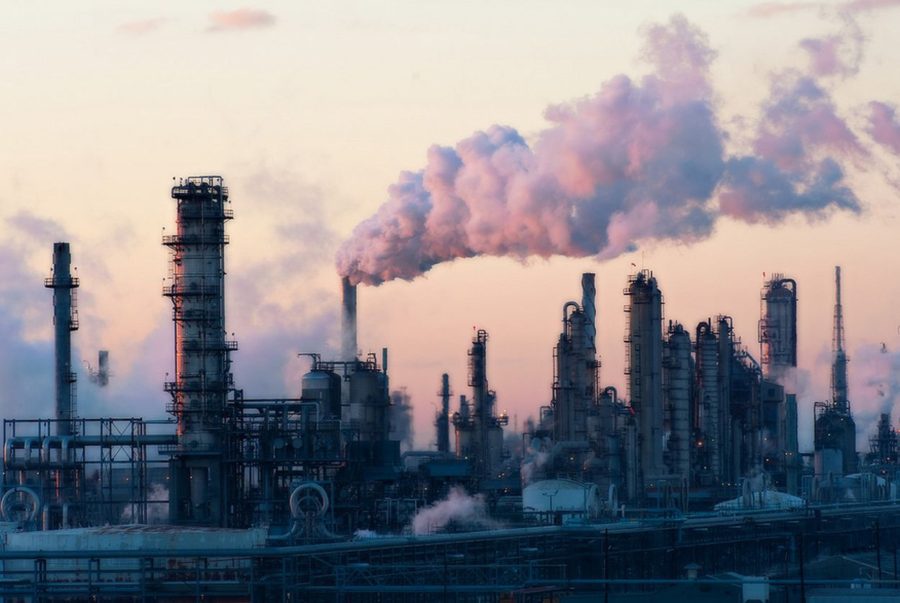
Most people drive a vehicle. Most people buy and burn gasoline or diesel fuel. We all buy electricity produced from coal and natural gas. These “hydrocarbon” fuels are doing a lot of damage to the environment, quickly degrading atmosphere, lands and waters. Between emissions and spills, it’s a globe killer. Driven by the consumer. Enabled by the producers selling the energy equivalent of methamphetamine.

Wonder why the world’s nose is falling off?

It’s all too easy to blame big energy interests for today’s dismal enviroeconomic situation. It’s much more difficult to see how your own consumerism is part of the problem. Hey, all our lives require energy, and we all produce the wastes that are the source of society’s worst problems. There is a boatload of honest clean energy money to be earned addressing and eventually solving these problems for the benefit of all beings, not just the usual suspects.

So give yourself a whack upside your consumerist noggin’. Life in the modern age ain’t no disco, and this isn’t 1999. This is 2013 on the fantail of the USS Titanic, America. But we’re not alone. Every country is facing giant obstacles dead ahead.

Bioroot Energy was built to rock our world the right way. For a change. All the way to the bank and we are going to take all our friends with us. Even the teeming masses who might well care less. They’ll thank us later for turning on the sleeping giant of alcohol fuels: higher mixed alcohol fuel.

Want to help? Educate yourself, or contact us to learn more about what we’re doing with higher mixed alcohols. Many hands and strong minds make light work.

Just another day in America

Change your priorities, while you have the option.

On May 10, 2013, humanity hurled itself across the threshhold of 400 parts per million atmospheric CO2. Media coverage was brief and to the point. We don’t have much time to effect big reductions in emissions. Of course, “we the people” are a caring bunch, but do we dare step up and do what is right by all beings?

Mankind needs a “hydrocarbon-to-oxycarbon” energy shift, and higher mixed alcohol fuel production and use is the best possible means of leveraging this disruptive fuel and its associated GTL (gas-to-liquid) fuel synthesis methods into place in the renewable fuel producer world, and seamlessly dropping this stronger, cleaner alcohol fuel into all types of engines and fossil fuels in today’s transportation fuels marketplace. Dilution and replacement of hydrocarbon energy resources (oil, coal, natural gas and CO2) with clean oxygenate fuel is the bridging mechanism society needs to turn runaway waste carbons into high-value energy products that address and solve big, nasty problems.

“The problem is simply stated: the power of the fossil fuel companies is too great. Among those who seek and obtain high office are people characterised by a complete absence of empathy or scruples, who will take money or instructions from any corporation or billionaire who offers them, and then defend those interests against the current and future prospects of humanity.”

Climate milestone is a moment of symbolic significance on road of idiocy

Concluding paragraphs from a recent Salon article, “Getting Rich Off Global Warming”: People were beginning to leave and make plans for lunch, when a deep voice arose from the back of the room. It belonged to a mountain-shaped man named Clayton Honyumptewa, director of natural resources for the Hopi Nation.

“Our ancestors predicted all of this,” he said to no one in particular. “The weather changing in strange ways, the destruction of the land, the water, the fish, the animals. They said, ‘The white man will continue to come, and everything will die.’”

It was a long couple of beats before anyone said a word.

“[The] increase is not a surprise to scientists,” said Pieter Tans, a senior scientist at the National Oceanic and Atmospheric Administration. “The evidence is conclusive that the strong growth of global [carbon dioxide] emissions from the burning of coal, oil and natural gas is driving the acceleration.”

Washington Post article

The elephant in the room of civic dialog, or what passes for same in the land of the “free” is carbon-based emissions, pollution and wastes. It’s a personal problem, multiplied by 7 billion practitioners.

Cities, universities divesting from fossil energy

San Francisco at night

As American cities and universities begin to divest from fossil energy, a clear opportunity for medium to large cities to develop municipal-scale higher mixed alcohol fuel projects is emerging. The substantial economic value of locally produced clean fuel from no-value garbage, trash, sludges, and biomass, as well as jobs and new related businesses is compelling.

“Nearly a dozen U.S. cities have announced their interest in withdrawing municipal investments from fossil fuel companies, joining a fast-growing movement among colleges and universities that supporters say is allowing citizens concerned with environmental degradation and global climate change to act in lieu of federal action from the U.S. Congress.”

Full article

Fixing What’s Broken

We humans, in the span of just 50 years and the invention of plastic, have managed to create the 100 million ton Great Pacific Garbage Patch, the size of Texas, floating 1,000 miles west of San Francisco. It kills millions of marine and avian life every year. And it’s growing, and most of this waste originates from land.

How sad.  Even though this video was shot on Midway Island in the middle of the Pacific Ocean, you really don’t have to look far to find the source of one of the world’s deepest and most pressing problems. In fact, you’re probably only a few feet from the source of this problem as you read this. And so is nearly everyone else in the industrialized world. It’s the trash in your trash can. It’s also the waste in your toilet. It’s the emissions that come out of your vehicle tailpipe. It’s the CO2 and particulate pollution from burning the coal or natural gas required to generate the electricity that lights your home. It’s society’s solid, liquid and gaseous wastes. We’re all using the world as an open sewer for our wastes. So, we are all responsible for the problems we are creating for life on Earth.

If you agree, please consider making some small changes in your daily routine. Reduce, reuse, recycle. Don’t accept plastic bags. Also, please consider writing an endorsement for our clean fuel project. Let the world know know you understand higher mixed alcohol fuel’s unique role in cleaning up the world’s solid, liquid and gaseous wastes.  You can make a one time donation or a small monthly donation to the project fund via Ten Million People. Or contact us to discuss other ways to become involved.

Or you can do nothing. Most people choose this option. We understand. But it’s lame.

Dilution is the Solution

How bad is the air pollution in Beijing? Today, the Beijing Municipal Environmental Monitoring Center said the density of PM2.5 particulates surpassed 700 micrograms per cubic meter in parts of the city.  The World Health Organization considers a safe daily level to be 25 micrograms per cubic meter.

USA Today article: http://www.usatoday.com/story/news/world/2013/01/13/air-pollution-beijing-china/1829935/

Slash Emissions: How?

How to slash fossil energy emissions:

  • Educate people about the importance of funding and building a world-scalable “carbon-bridging” pollution solution.
  • Begin converting coal-fired power plant CO2 and methane to higher mixed alcohol fuel. Fastest, most profitable method to achieve biggest possible reductions by converting these 2 greenhouse gasses to clean, biodegradable, water-soluble fuel that blends with or completely displaces petroleum oil-based fuels.
  • Begin converting municipal solid and liquid wastes to higher mixed alcohol fuel.
  • Begin converting waste biomass to higher mixed alcohol fuel.
  • Retrofit or build new coal-fired power plants to use gasification instead of incineration, which eliminates coal combustion emissions entirely.

Why is reducing carbon emissions important? Read this.

Trashed: The Documentary

Bioroot Energy is focused on addressing this problem. Clean gasification of society’s solid and liquid wastes is a closed-loop, clean process which reduces the various “carbons” in the waste stream to carbon monoxide and hydrogen, or “syngas” which is then converted to higher mixed alcohol fuel.

Converting greenhouse gas to clean fuel

What clean, biodegradable fuel can be profitably produced from methane (CH4), a greenhouse gas 20 times more potent than CO2? Higher mixed alcohol fuel can be produced from methane and CO2.

Questions? Here’s an airtight answer.

Is today’s biofuel industry on life support? Will “fermenting” corn, grasses and plants to make ethanol get us “there” from here? What about algae? Can pond scum deliver a home run for humanity? What about french-fry grease? Think biodiesel is going to float the world’s boat or truck dollars to your bank account?

Is drilling for oil just digging the fossil-energy hole deeper? Will any of today’s fuels address problems with our environment or our economy? Or make them worse?

Higher mixed alcohol fuel is the only “seamless” drop-in fuel for powering all gas and diesel engines. The only one EPA-registered for use in all 50 states. The only renewable fuel that can be produced 24×7 anywhere there are sufficient carbonaceous feedstocks.

Where aren’t there enough “carbons” to profitably produce higher mixed alcohol fuel? The answer is, only in outer space. ;-)

It’s only waste if it’s wasted.

“Ideas are easy. Implementation is hard.”
- Guy Kawasaki

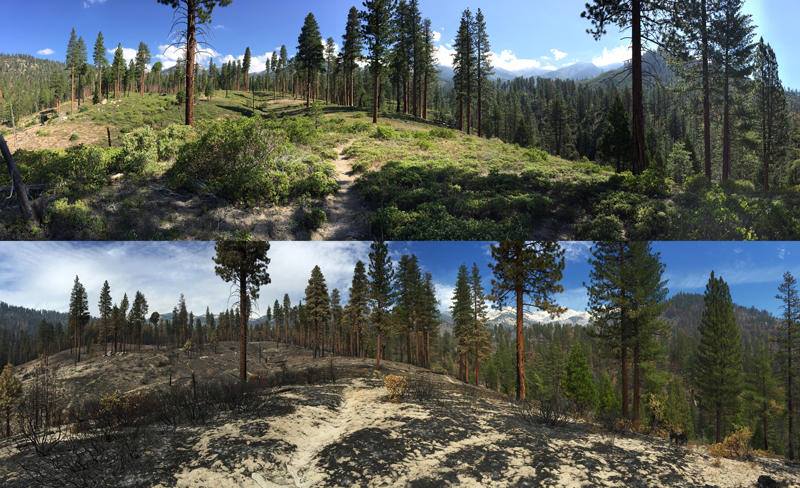
For Bioroot Energy, “no shit” is more than a snarky comment. It’s our business mission. We’re fighting fossil energy zombies, we’re fighting a 300,000 acre fire literally on our office doorstep, and we’re fighting for respect and support from the world’s investment community.

The world is awash in waste carbons. They’re wreaking havoc. We have the clean fuel fix. A carbon-bridging pollution solution that turns the world’s “cradle to grave” economy into a “cradle to cradle” opportunity so large that it’s like looking at the Sun. (Something fossil energy addicts find very difficult to do for more than 15 seconds.)

Trash is only waste if it’s wasted. And the “green” moment is only lost when people pass it by because they think experts have society’s wastes under control. Wrong. The experts bury our wastes and burn it in incinerators and send the emissions to the sky and pollute land and water. You too are a waste expert who sends waste out your toilet, your trash, your tailpipe, and your garbage disposal.

The “official” trash experts are cleaning up after all of us and losing.  In fact, we’re all trash experts (and fossil energy zombies too) making a bigger mess every day. And Mother Earth’s environment is paying a heavy price. Here’s our chance to clean up after ourselves, and eventually power every engine on the planet, cleanly, sustainably and profitably.

What’s our business model? Produce 138 octane, water-soluble, biodegradable fuel. Everywhere, as fast as we can fund/build facilities.  World needs a carbon-bridging pollution solution. Higher mixed alcohol fuel production, distribution and use is it.

Higher Mixed Alcohol Fuel: What on Earth is It?

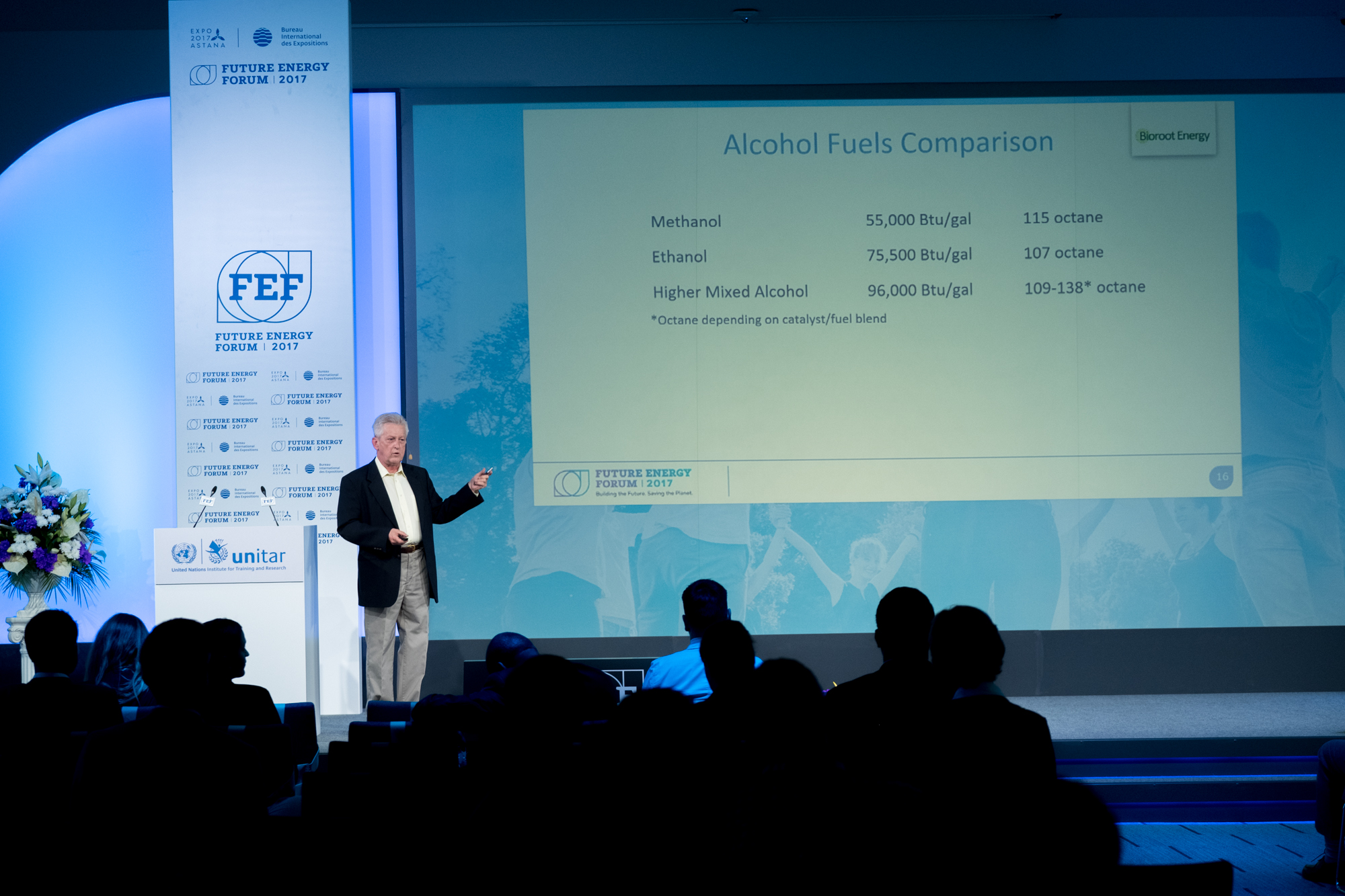
What is higher mixed alcohol fuel?  It’s a new, stronger and cleaner class of liquid “oxygenate” fuel designed to power all types of gasoline and diesel engines.  It’s clean, green fuel that makes more sense than any other fuel.  It costs less to produce and makes more $ than any other fuel.  It’s cleaner and stronger than any other renewable liquid fuel. It is composed of 10 simple alcohols, not just one, like ethanol or methanol. (Synergy of these 10 alcohols is the reason higher mixed alcohol fuel has a whopping 138 octane rating and none of the single alcohol fuels is over 108 octane.)

Driving higher mixed alcohol fuel makes your vehicle tailpipe smell nice, but not like french-fries or grease.  It doesn’t require using a food crop like corn to produce.  It is cleanly produced 24/7 from what’s in your trash. It’s also made from biomass. It’s also made from coal. It’s also made from methane / natural gas. Production (synthesis) of this fuel also recycles and converts CO2 emissions in coal and natgas power plants into a water-soluble, biodegradable liquid fuel that’s EPA-registered for use in any gas or diesel engine from a ship to a small engine with no modifications. It is produced in your town by your community. It is produced by oil refiners.  Best of all, higher mixed alcohol fuel production and use does all this without you having to change anything: your car, your consumer habits, your environmental views – or your political outlook. It is decidedly neutral on that front. ;-)

Higher mixed alcohol fuel gives you, the motorist, 20-28 percent more mileage and more oomph under your lead foot. It feels good to drive it and know why you’re smiling. Higher mixed alcohol fuel doesn’t float on water or pollute land and kill life if spilled. It doesn’t leave toxic byproducts of combustion floating in the sky when burned.  Producing it cleanly converts ordinary trash and biomass into a source of humanity’s salvation and redeems our precious natural environment we’ve done a poor job of protecting to date. It can keep soldiers from dying fighting wars for oil. It puts your children through college. It puts your neighbors to work. It puts America back in the driver seat leading the rest of the world to cleaner and more responsible use of the planet’s finite resources. It makes a difference in our relationship to our one and only Father Sky and Mother Earth.

Higher mixed alcohol fuel is such a big investment opportunity, it’s like looking at the Sun when first considering it. Even if you’re a billionaire. Even if you’re the ghost of John D. Rockefeller just waking up after a century-long nap looking for the next big thing in liquid energy.  Except you’ve learned that it needs to be so clean and profitable that there’s nothing to worry about on your way to the bank. Like getting sued or attacked by the media or your neighbors for spilling oil all over a perfectly good planet.

No, it’s not a dessert topping too. But higher mixed alcohol fuel definitely makes for great dinner table conversations when you tell others about it.  It’s a powerful, clean, 138 octane liquid fuel with a brilliant future.  A fuel so good even Mother Earth and all her children and magnificent creations will love seeing you drive it to the bank, America.

It’s the world’s last, best fuel choice: higher mixed alcohol fuel.

What will replace ethanol?

Corn ethanol’s got problems. Big problems, and they affect the entire world.

“In 2012, the Renewable Fuel Standard mandates the use of 12.2 billion gallons of corn ethanol—forcing as much as 40 percent of the dwindling U.S. corn crop into ethanol production. Meanwhile, the worsening drought is beginning to impact corn prices—they’ve spiked upwards of 50 percent since June. When corn prices rise, so do the prices of products that rely on corn. TheU.S. Department of Agriculture (USDA) predicts increases in domestic prices of beef, dairy products and eggs ranging from 3 to 5 percent through 2013. Globally, the U.S. is the largest exporter of corn. Rising food prices will hit people in developing countries that rely on imports of our grains most severely. Higher grain prices in the U.S. are already triggering global food price spikes that parallel those seen in the 2008 global food crisis.”

Link to full Ecowatch article.  “Severe Drought Shows Stupidity of Corn Ethanol Mandate”

Which renewable, sustainable fuel can replace ethanol? There’s only one fuel that can raise the bar on corn ethanol: higher mixed alcohol fuel. Made 24/7 from what’s in your trash, biomass, coal, methane and even power plant CO2. No crops needed.  Stronger, cleaner, more mileage, more power, less expensive to produce, and more profitable too. And completely water soluble and biodegradable, with a 138 octane rating that provides 20+ percent more mileage in gas and diesel engines. What’s not to like?

Genius: Community Fuel Projects

Hamilton, Montana: Just another summer day as fire burns in the foothills above town.

Every city on Earth is awash in waste carbons and biomass that can be profitably converted 24/7 to a clean, biodegradable liquid fuel that blends with and even replaces toxic gasoline and diesel fuels.  Bioroot Energy is leading the charge to develop community focused fuel projects that bring jobs, innovation and sustainable economic solutions to Main Street.

“The word “genius” in its Latin originality means simply, “the spirit of a place.” The genius of an individual lies in the inhabitation of their peculiar and particular spirit in conversation with the world. The task is simple and takes a life pilgrimage to attain – to inhabit our life fully, just as we find it, and in that inhabitation, let everything ripen to the next stage of the conversation.”

- David Whyte: Crossing the Unknown Sea: Work As a Pilgrimage of Identity

Humans are smart. We’ve been to the moon and built a world full of technological wonders.  We’ve learned a few things in our time on the planet. So why is the planet falling apart? We’ve all taken our eyes off the big, spinning ball by being smart about some aspects of our lives, and amazingly shortsighted about other aspects of our lives.  Collectively we’ve failed to protect our planet, heaving our garbage and emissions into the air, water and land,  and now we’re seeing the result of massive, continuous uncontrolled release of waste carbons (all kinds of carbons) by 7 billion human beings and internal combustion engines.  As well as coal- and natural-gas fired power plants spewing CO2 and other pollutants.

Time to rediscover the genius of loving your little spot on Earth.

The phrase “community-focused” fuel project  will be getting more use in our messaging going forward. This business model that includes America’s cities and towns differs from an “industry-focused” fuel project, such as an oil refinery or a natgas/coal-fired power plant. Instead of relying on a finite source of fossil carbons largely controlled by, and benefiting, one company and its shareholders, a community fuel project is designed to benefit all businesses and individuals in a “bioregional” marketplace by leveraging all carbons, whether trash, biomass, coal, shredded tires, refinery bottoms, or methane, coal- and natgas-fired power plant CO2.  And wherever possible, leveraging the private and institutional capital resources of that community, city and region so that ownership of these facilities is driven into the community from the beginning.

A community-focused fuel project is different from an industry-focused project. All cities and towns need a “carbon” recycler of last resort.  A repeatable, scaleable way of getting rid of the end of life carbons that pile up around all human activity: A profitable way to convert these waste carbons to new carbons that have real market value.

Anything that has greater value as a recycled item, take it out for re-use, like cans, certain plastics, or compostable organics, etc. The rest of society’s wastes, and nature’s abundant biomass that is uneconomical to compost?  The answer is to produce a clean, biodegradable fuel for use in gas and diesel engines. At the edge of every city in the world.

Simply producing higher mixed alcohol fuel can address big environmental problems. Starting with reducing solid and liquid wastes. And usage of the fuel in all types of engines and blended with all types of fossil fuels (gas, diesel and coal) to slash vehicle tailpipe and smokestack emissions.  Higher mixed alcohol fuel can be produced in clean gas-to-liquid fuel facilities, 24/7 from municipal wastes, biomass, coal, methane/natgas and CO2 from coal- and natgas-fired power plant smokestacks. And it’s up to 95 percent cleaner than gasoline.

Higher mixed alcohol fuel production, distribution and use is the carbon-bridging pollution solution that communities can put to work within a few short years.  What will kickstart this “community fuel” project revolution? The first working example must be funded, built and turned on at commercial scale to demonstrate what it’s worth, and producing fuel in commercial volume for the transportation fuels marketplace at a profit. That’s the Bioroot Energy mission in Montana.

What can you do to foster this groundbreaking community-focused higher mixed alcohol fuel project? Get involved any way you like, we appreciate your help and support!

Endorse the project: http://www.biorootenergy.com/endorsements
Make a small, non-tax-deductible donation: http://www.tenmillionpeople.com/donor-wall
Like our Facebook page: http://www.facebook.com/biorootenergy
Contact us to learn more: http://www.biorootenergy.com/about/contact-us

Cleantech Open Semi-finalist: BE Team

Rex Northen, Executive Director of Cleantech Open opens the 2012 National Conference with a report on the past year in the Cleantech Industry.

Bioroot Energy was recently selected from a large group of competing startups as a semi-finalist in a prestigious national competition for energy-related startups with “big” ideas.  However, our company’s name was inadvertently omitted from the organization’s press announcement, which led to some confusion. We’ve asked them to mention us in future releases.

This year’s Cleantech Open Conference and Academy held June 22-24 in San Jose, and Santa Clara, California, was a great honor to attend.  We told our clean fuel story many times and received strong encouragement from our peers, and we made a number of contacts with potential investors. It will take time to reach out and dialog with them all. In addition, we are participating in the full Academy competition’s “incubation” track, which lasts until mid-September, so we will be busy online and off, and traveling to Denver at least twice this summer for meetings. Wish us luck, and good Cleantech Open mojo in the months ahead!

BE Chosen as Cleantech Open Semifinalist

How to grow your business? Get out there and tell your story to people who matter.

The Bioroot Energy team is attending the Cleantech Open Academy in San Jose this weekend. The “BE Team” was selected as a Cleantech Open semifinalist from the Rocky Mountain Region, providing our company with an excellent opportunity to tell our clean fuel story to major investors and cleantech entrpreneurs of all kinds. In addition, the team is enjoying a great mentoring experience, working with veteran entrepreneurs and investors to improve our presentations, messages, and pitches to investors.

The Cleantech Open runs the world’s largest cleantech accelerator. This non-profit organization’s mission is to find, fund and foster entrepreneurs with big ideas that address today’s most urgent energy, environmental and economic challenges.

www.cleantechopen.com


Subscribe to the BE mailing list

Thanks for signing up! Please check your email and confirm subscription.